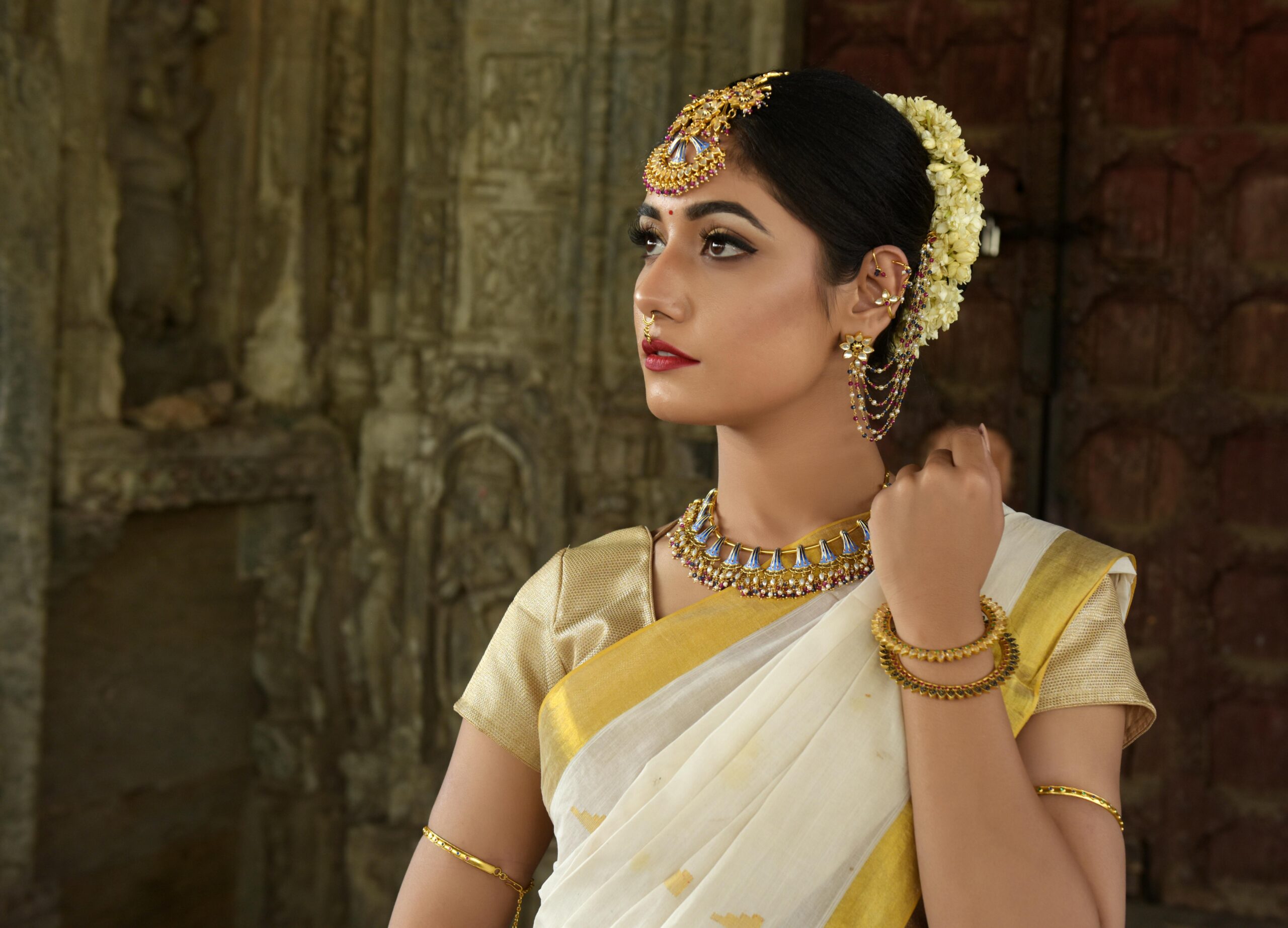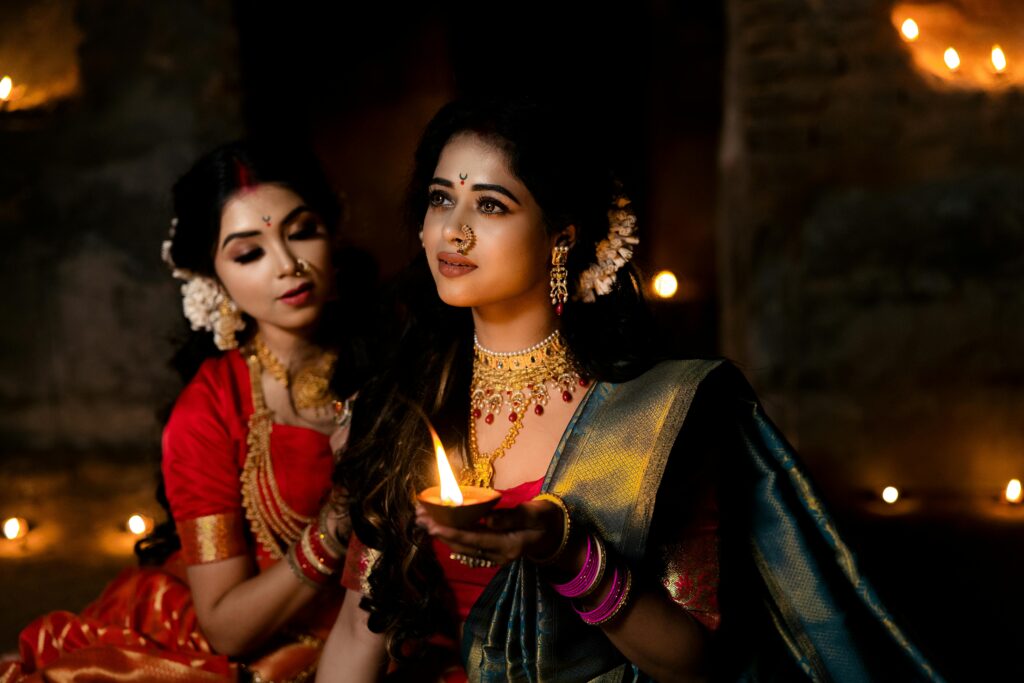
When we talk about traditional Indian sarees, Kanchipuram silk sarees stand in a league of their own. Celebrated for their luxurious feel, rich zari work, and timeless appeal, these sarees are far more than festive outfits. They’re heirlooms—often carefully preserved and passed down from one generation to the next.In this blog, we’ll take a closer look at the story behind Kanchipuram silk sarees, walk through the weaving process that makes them so special, and share a few practical tips on how to identify a pure Kanchipuram silk saree before you buy one.
The Rich History of Kanchipuram Silk Sarees
Kanchipuram silk sarees come from Kanchipuram, a historic temple town in Tamil Nadu that’s widely known as the Silk City of India. The tradition of weaving silk sarees here goes back more than 400 years and is deeply woven into South Indian culture.There’s also a beautiful legend tied to these sarees. It’s believed that Kanchipuram weavers are descendants of Sage Markanda, the divine weaver of the gods. You can see this heritage reflected in the designs—temple borders, mythological motifs, checks, stripes, and floral patterns inspired by classic South Indian architecture.Traditionally worn during weddings, religious ceremonies, and important milestones, Kanchipuram silk sarees have long been associated with prosperity, grace, and cultural pride.
What Makes Kanchipuram Silk Sarees So Special?
What truly sets Kanchipuram silk sarees apart is the combination of quality, craftsmanship, and durability. A few key features make them unmistakable:
- Woven from pure mulberry silk
- Crafted using real gold or silver zari
- Known for their strong, long-lasting weave
- Famous for bold contrast borders and richly designed pallus
- Retain their structure and sheen for years
With proper care, a genuine Kanchipuram silk saree can last for decades, which is why many families treat it as a long-term investment rather than just an outfit.
The Weaving Process of Kanchipuram Silk Sarees
The beauty of a Kanchipuram saree lies in the effort behind it. Each piece is the result of skilled craftsmanship and a detailed, time-intensive process.
1. Silk Yarn Preparation
High-quality mulberry silk threads are carefully sourced and dyed in vibrant, long-lasting colors. The dyeing is done with great precision to ensure even color and a natural sheen.
2. Zari Preparation
Authentic Kanchipuram sarees use pure zari, made by wrapping silver wire around a silk core and coating it with gold. This is what gives the saree its rich, unmistakable glow.
3. Separate Weaving of Body, Border, and Pallu
One of the defining features of a Kanchipuram saree is that the body, border, and pallu are woven separately and then interlocked. This technique adds strength and makes the saree remarkably durable.
4. Handloom Weaving
Everything comes together on a traditional handloom, operated by experienced artisans. Depending on the complexity of the design, weaving a single saree can take anywhere from 10 to 20 days, sometimes even longer.
How to Identify a Pure Kanchipuram Silk Saree
With so many look-alikes in the market, knowing how to spot an authentic Kanchipuram silk saree is essential.
1. Look for the Silk Mark
Always check for the Silk Mark certification, issued by the Silk Mark Organisation of India. It’s one of the most reliable indicators of pure silk.
2. Feel the Fabric
Pure Kanchipuram silk feels smooth, thick, and slightly heavy. The shine is subtle and elegant—not overly glossy.
3. Examine the Zari
Genuine zari does not turn black when rubbed. Fake zari, on the other hand, often loses its color or dulls over time.
4. Check the Joint
In an authentic saree, the border and body are neatly interlocked—not glued or stitched together. This joint is a clear sign of traditional weaving.
5. Consider the Price
Pure Kanchipuram silk sarees are never extremely cheap. The price reflects the quality of silk, real zari, and the craftsmanship involved.
When to Wear Kanchipuram Silk Sarees
Kanchipuram silk sarees are ideal for:
- Bridal wear and wedding ceremonies
- Engagements and receptions
- Temple visits and religious rituals
- Festivals like Pongal and Diwali
- Important family celebrations
They have a way of instantly elevating your look and making any occasion feel truly special.
Caring for Your Kanchipuram Silk Saree
To keep your saree looking beautiful for years:
- Always dry clean
- Store it wrapped in a soft cotton cloth
- Keep it away from direct sunlight
- Refold it occasionally to protect the zari
A little care goes a long way in preserving its elegance.
Final Thoughts
A Kanchipuram silk saree isn’t just clothing—it’s a reflection of tradition, artistry, and timeless beauty. From its rich history and meticulous weaving process to its lasting strength and elegance, it fully deserves its iconic status. Owning one is not just a fashion choice, but a meaningful investment in heritage.